

Hoping you find something that would encourage you to install new software into your brain:
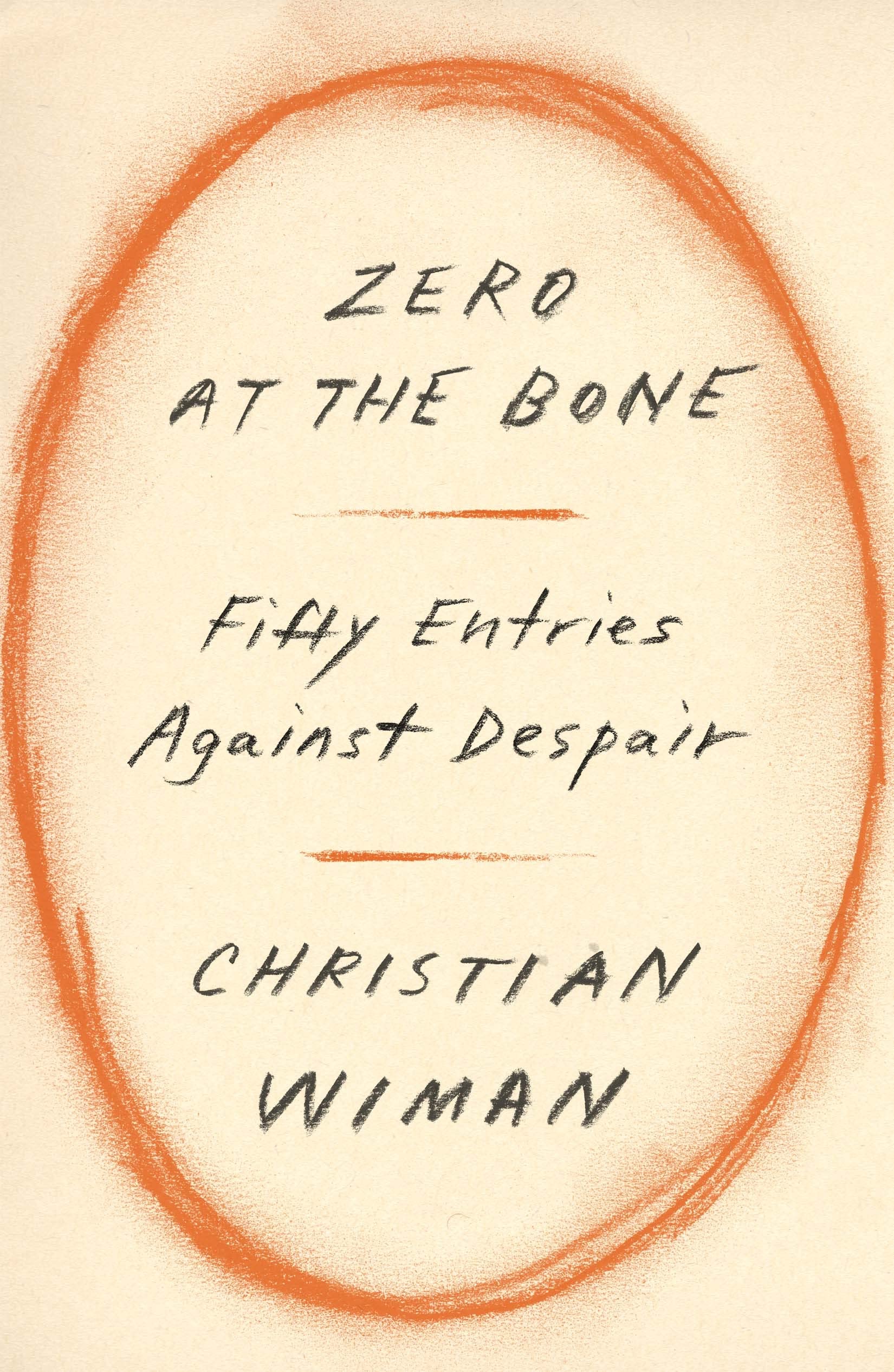
Zero at the Bone: Fifty Entries Against Despair, Christian Wiman, 2023. Whatever I will say about Wiman’s latest work will be underwhelming compared to his poetic approach to fifty entries against despair. Profound, profane, provocative, but always poetic, this is another well written and thoughtful book by the man who wrote “He Held Radical Light” – a book I raved about in 2019. The subject of despair comes out of his on-going experience of “living” with a “rare and brutal” cancer. Despite this, he is able to express the beauty of faith in a time and among an intellectual class who will not understand.
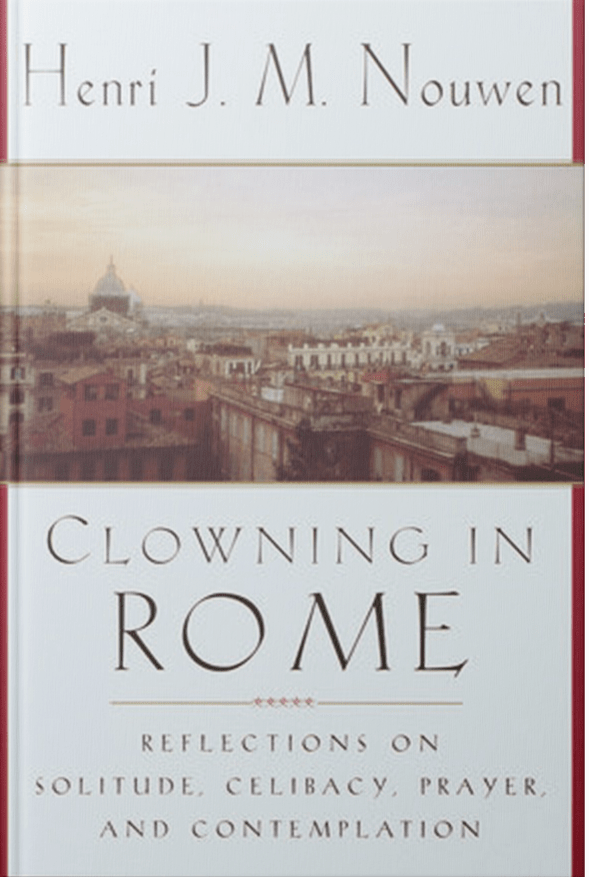
Clowning in Rome: Reflections on Solitude, Celibacy, Prayer, and Contemplation. Henri J.M. Nouwen, 1979. “In this classic account of the time he spent in Rome, Nouwen offers reflections and spiritual insight characteristic of his best works.”
Like so much of what Nouwen writes (and so much I have read), he gently and vulnerably shares his insights on the spiritual life. I don’t feel the need to agree with everything in order to know that he has something to say that is enriching. At 100 pages, this is an easy contemplative read.
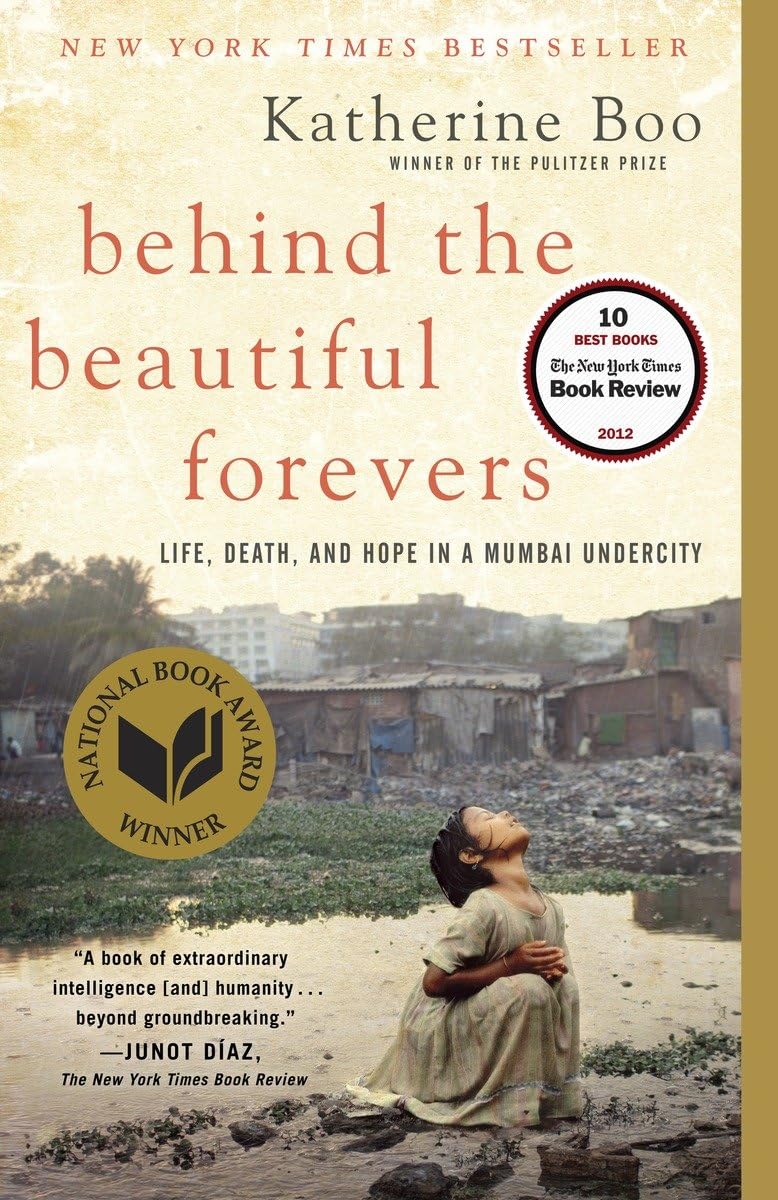
Behind the Beautiful Forevers: Life, Death, and Hope in a Mumbai Undercity, Katherine Boo, 2012. I am not sure I can add to what has been written about this exquisite book: “From Pulitzer Prize-winner Katherine Boo, a landmark work of narrative nonfiction that tells the dramatic and sometimes heartbreaking story of families striving toward a better life in one of the twenty-first century’s great, unequal cities. In this brilliantly written, fast-paced book, based on three years of uncompromising reporting, a bewildering age of global change and inequality is made human. Annawadi is a makeshift settlement in the shadow of luxury hotels near the Mumbai airport, and as India starts to prosper, Annawadians are electric with hope.”
The Mythmakers: The Remarkable Fellowship of C.S. Lewis and J.R.R. Tolkien, John Hendrix, 2024. Hendrix uses the art form of a graphic novel biography in order to weave in the sources that inform the friendship between these two literary giants. But in reading it, you pine to enter into their friendship; you ache for the break of their fellowship, and you envy to enter the imaginary worlds these two shared. “Through narrative and comic panels, Hendrix chronicles Lewis and Tolkien’s near-idyllic childhoods, then moves on to both men’s horrific tour of the trenches of World War I to their first meeting at Oxford in 1929,” and beyond. Hendrix shows “how the writings of C.S. Lewis and J.R.R. Tolkien had re-enchanted the 20th century.” A lovely read for anyone remotely enchanted with the works of either of these authors.
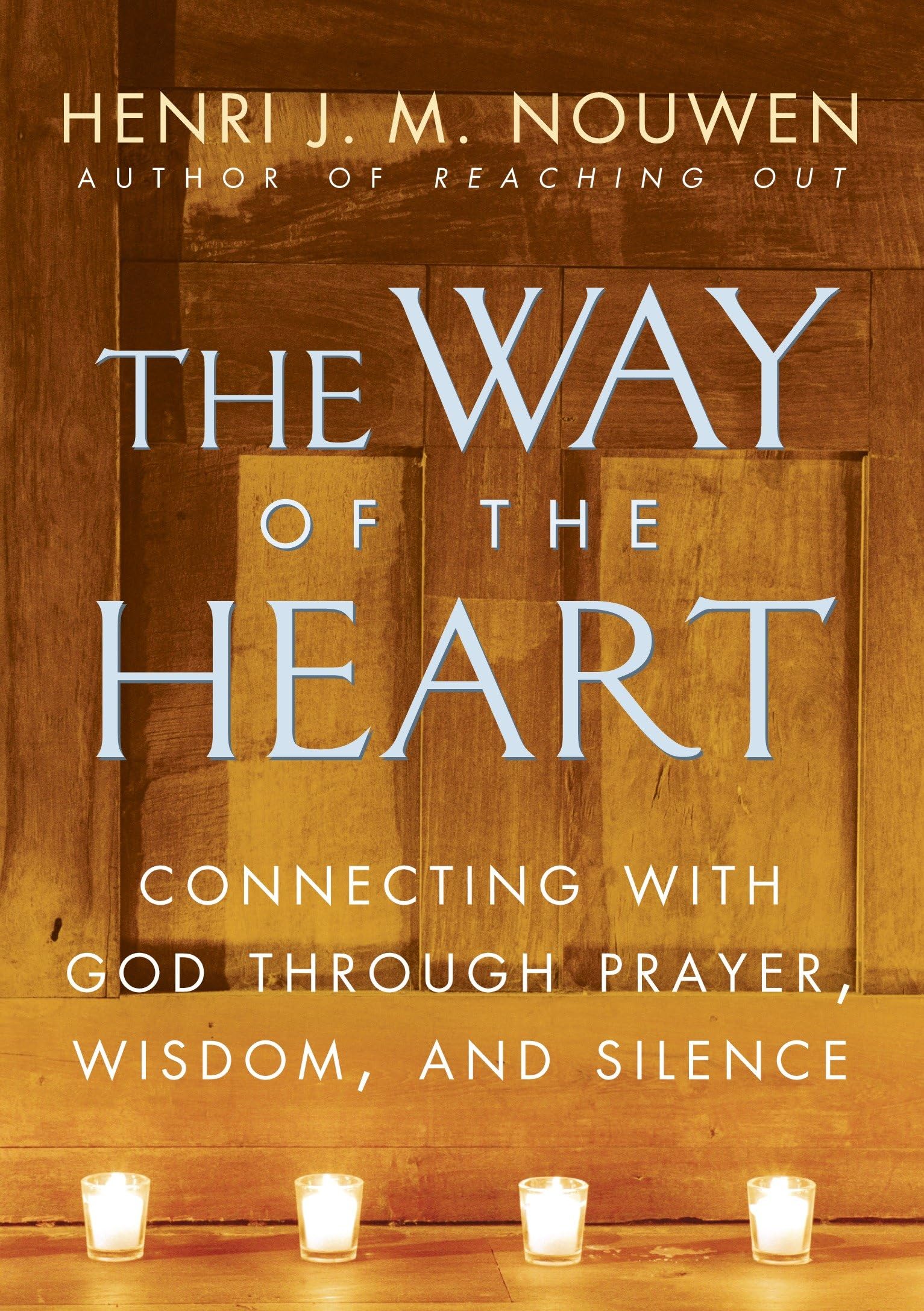 The Way of the Heart:Connecting with God through Prayer, Wisdom, and Silence, Henri Nouwen, 1981. This is the 12th Nouwen book I’ve read as I resonate with a contemplative approach to the spiritual life. Like so many of Nouwen’s books, this one is under 100 pages to be read slowly in order to savour it. I had the good fortune to go through this with a friend who would read me short portions. Inevitably, we’d stop to discuss and pray. Nouwen among the contemporary contemplatives speaks into our day. Nouwen was a vibrant man whose mind and heart were on fire; he died “young” at age 64 in 1996.
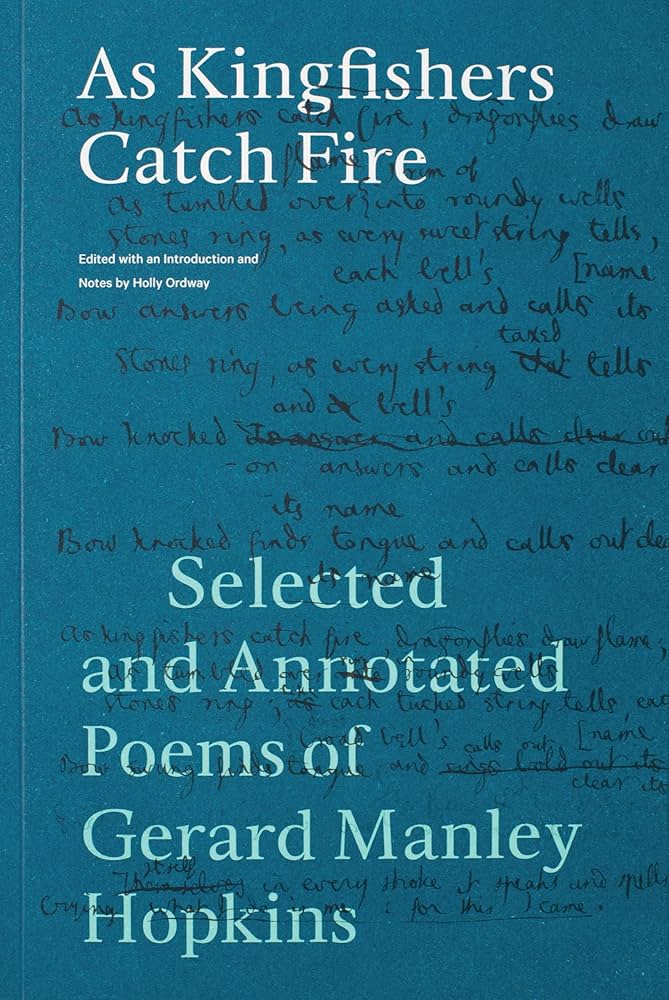
As Kingfishers Catch Fire: Selected and Annotated Poems of Gerard Manley Hopkins, Edited by Holly Ordway, 2023. If you haven’t read a book of poetry recently, you will have to exercise different reading muscles, as Ordway writes: “The best way to read [a poem] is to do so slowly; reading aloud and re-reading are likewise valuable practices for getting the most out of [a poem]. Doing so will also help you develop your attention span and strengthen your ability to focus on what you are reading, which are skills that tend to be weakened by our distraction-filled, screen-focused environment.” A friend lent me his copy so I could share an appreciation for the poetry of Hopkins. For an excellent review, see Bishop Robert Barron’s post.
The Way of the Cross: Meditations on Encountering Jesus, Tomas Halik, 2020. On the strength of reading Touch the Wounds last year, I looked for more books by Halik. This is a booklet of 14 meditations and prayers for Lent. Halik intended this to be a kind of book of prayers that he had gathered from the period of persecution under the Czech communist regime. They would meet hidden in the woods near Prague and recite these prayers, joining the sufferings of Christians all over the world: “Let us pray that God may give us the patience of hope and the impatience of love.” Amen.
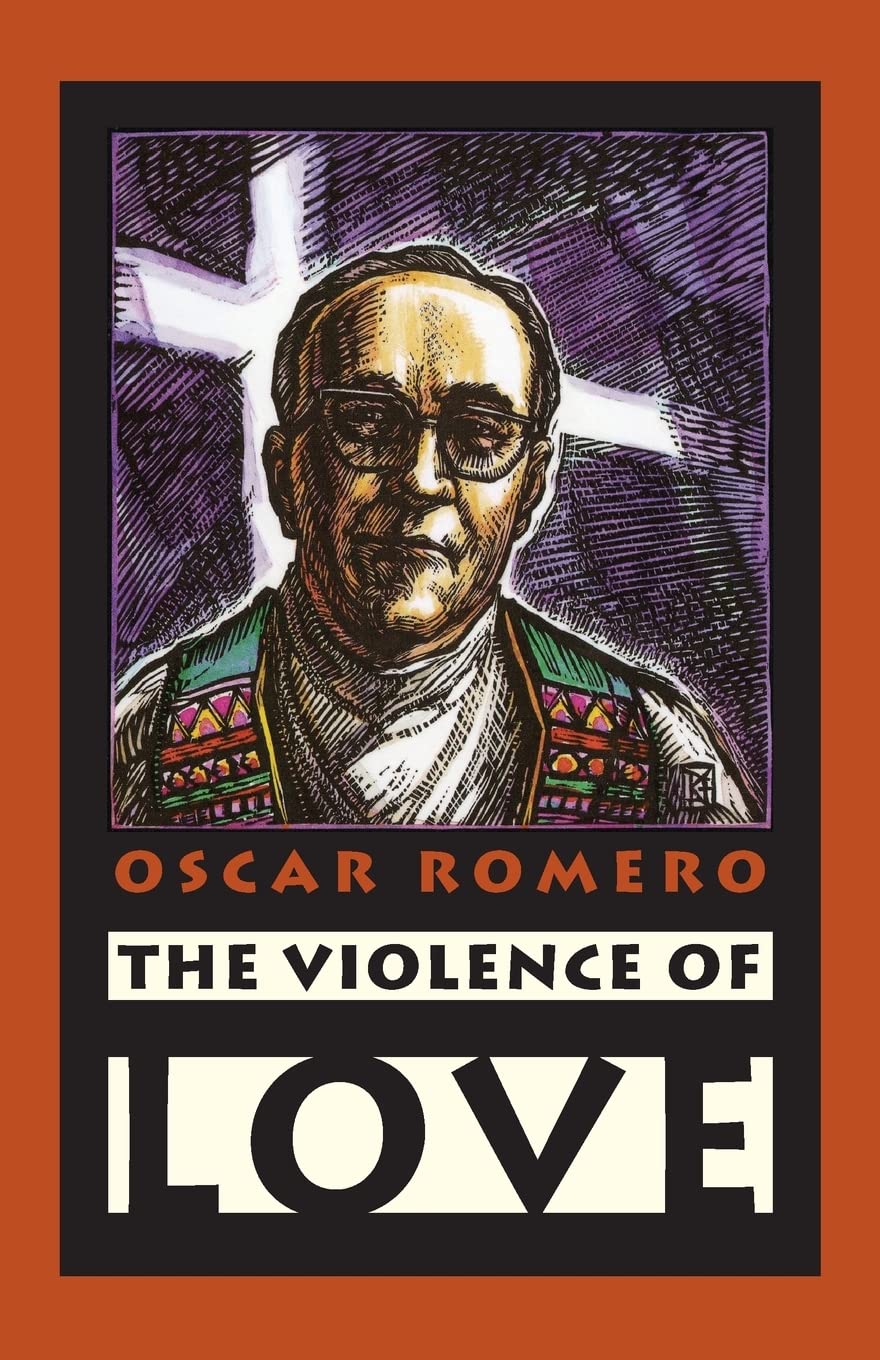
The Violence of Love, Oscar Romero, compiled by James R. Brockman, S.J., 1988. This is a collection of excerpts from the sermons, articles, and interviews by Oscar Romero between when he became Archbishop of El Salvador in 1977 till his assignation in 1980. Critics have accused Romero of distorting the Gospel, but to read his own words is to see how rightly he understood Jesus’ words in Matthew 25. Shortly before his assassination, he wrote, “this week I received accusations from both extremes – from the extreme right, that I am a communist; from the extreme left, that I am joining the right. I am not with the right of the left. I am trying to be faithful to the word that the Lord bids me preach…”
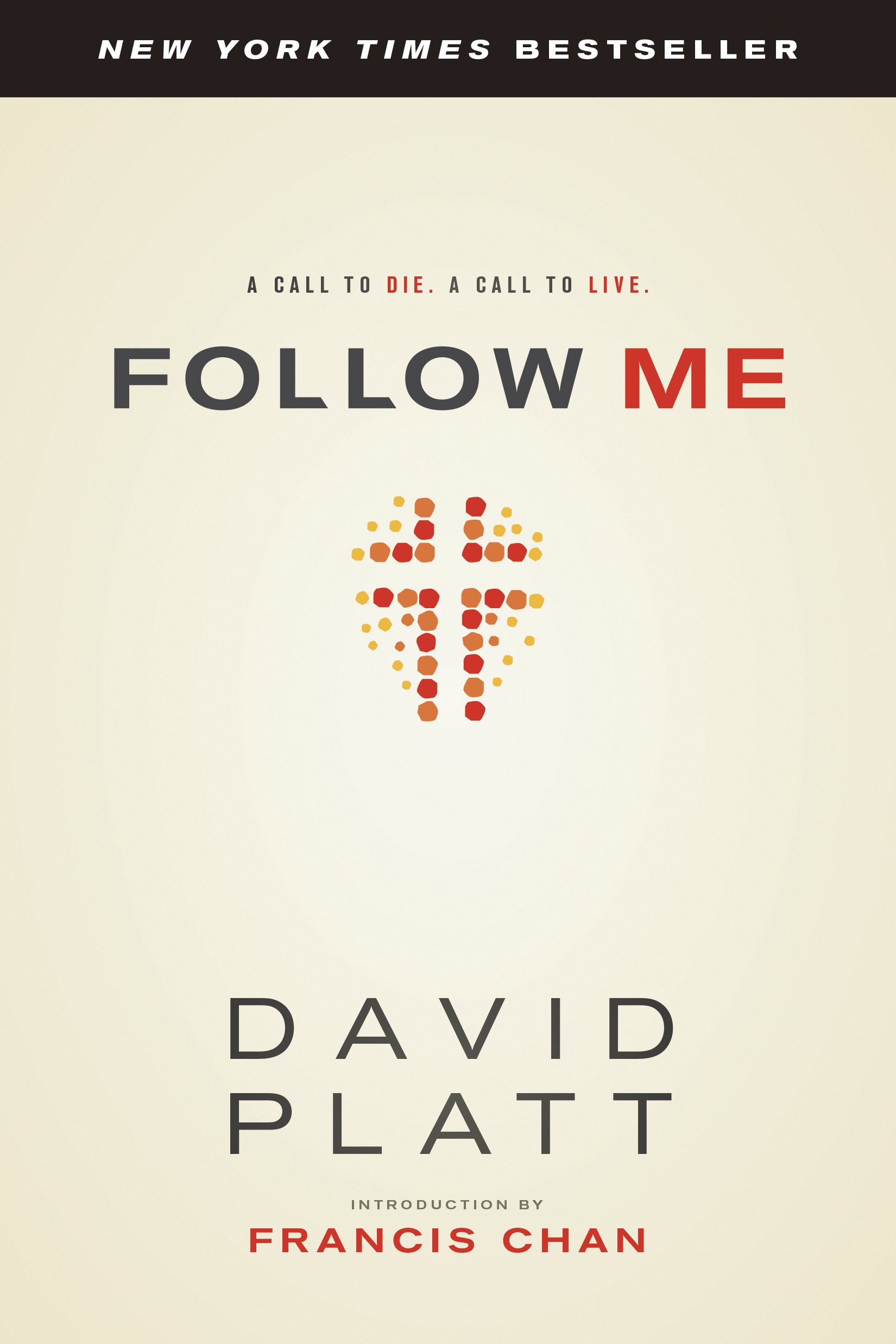
Follow Me: A Call to Die. A Call to Live, David Platt, 2013. I have been looking for books on discipleship in an effort to encourage and model this in the local church, but I am a little baffled that this is a New York Times bestseller. He does provide the gift of great questions but as one critic put it, “this book only makes sense for a comfortable audience who knows little of brokenness on the systemic level and who is numb to identity behind the national capital system… You don’t read this book in an inner city church for a church study, you’d be ashamed to bring it up, mostly because Platt all but ignores the ‘good news’ of God’s gracious justice…” As usual, be directed to the four Gospels to read Jesus for yourself; abide with Him, as you live for Him, live like Him, and are empowered by His Spirit.
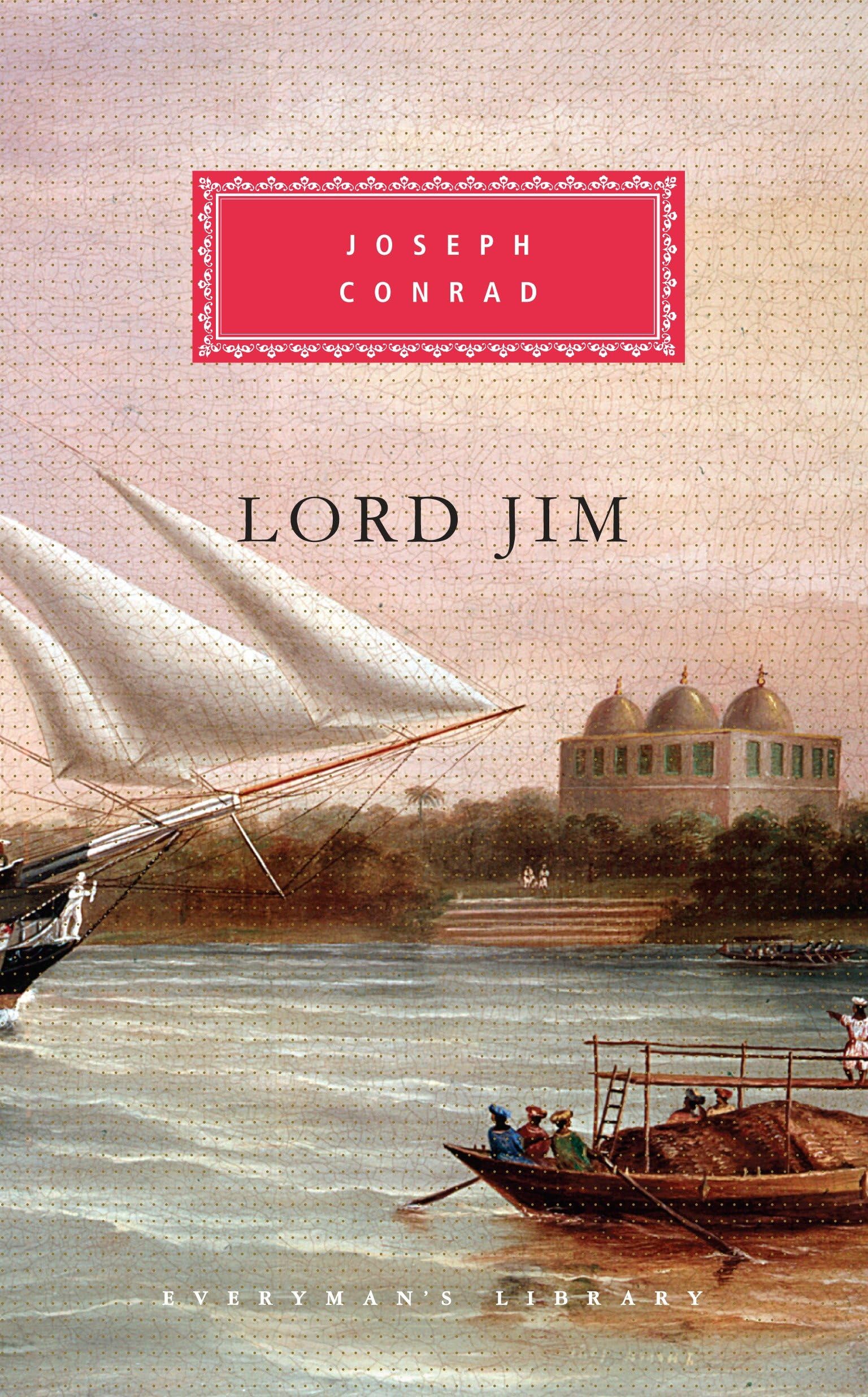
Lord Jim, Joseph Conrad (1857-1924), 1900. Remarkably, Conrad was a Polish author who could speak Russian and French but would write in English after settling in England in his early 20’s. Here is one of the top 100 novels of the 20th Century written by one of its greatest novelists. He often wrote “with a nautical setting, that depict trials of the human spirit in the midst of an indifferent world.” Reminded of Herman Melville’s Moby Dick written a half century earlier for the sense of wanderlust: “At the call of an idea they had left their forests, their clearing, the protection of their rulers, their prosperity, their poverty, the surroundings of their youth and the graves of their fathers” (p. 53); “There is such magnificent vagueness in the expectations that had driven each of us to sea, such a glorious indefiniteness, such a beautiful greed of adventures that are their own and only reward” (p. 137).
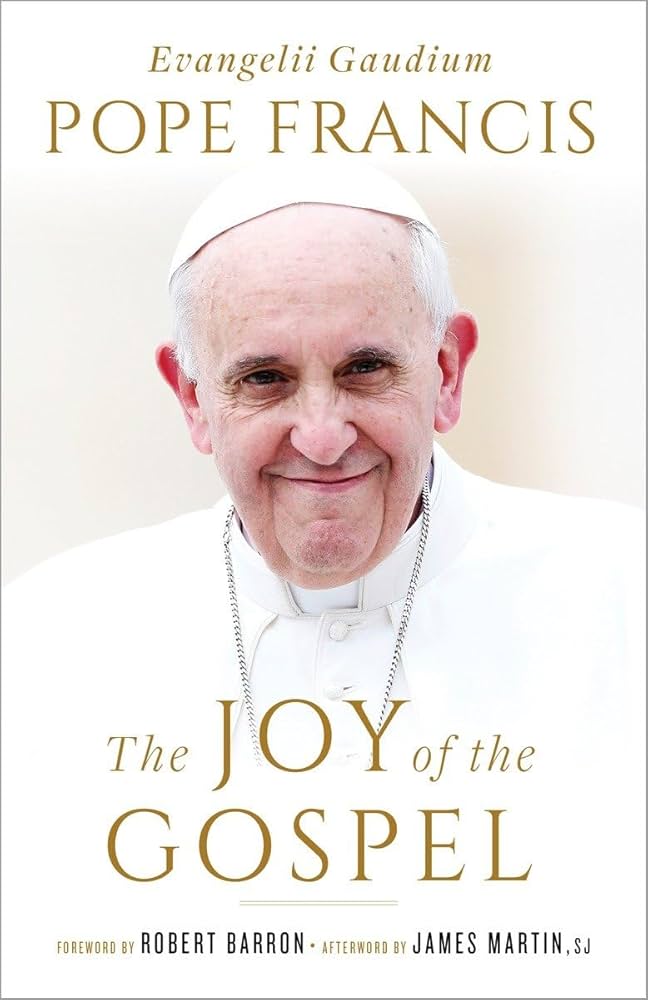 The Joy of the Gospel (Evangelii Gaudium) Pope Francis, 2013. This represents my wider reading from the breadth of Christian thought, and I was not disappointed to see how this 2013 apostolic exhortation by Pope Francis “On the proclamation of the Gospel in today’s world” was about as “evangelical” as other Christian traditions (with the exception of the last section of the last chapter). In its opening paragraph, Pope Francis urged the entire Church “to embark on a new chapter of evangelism” in which the Church must understand itself as a community of missionary disciples, who are “permanently in a state of mission”. In addition to the gospel message is the gospel action obliged to care for the poor and the duty to establish and maintain just economic, political, and legal orders. It has been described by Italian theologian Massimo Faggioli as “the manifesto of Francis” and a “Magna Carta for church reform”.
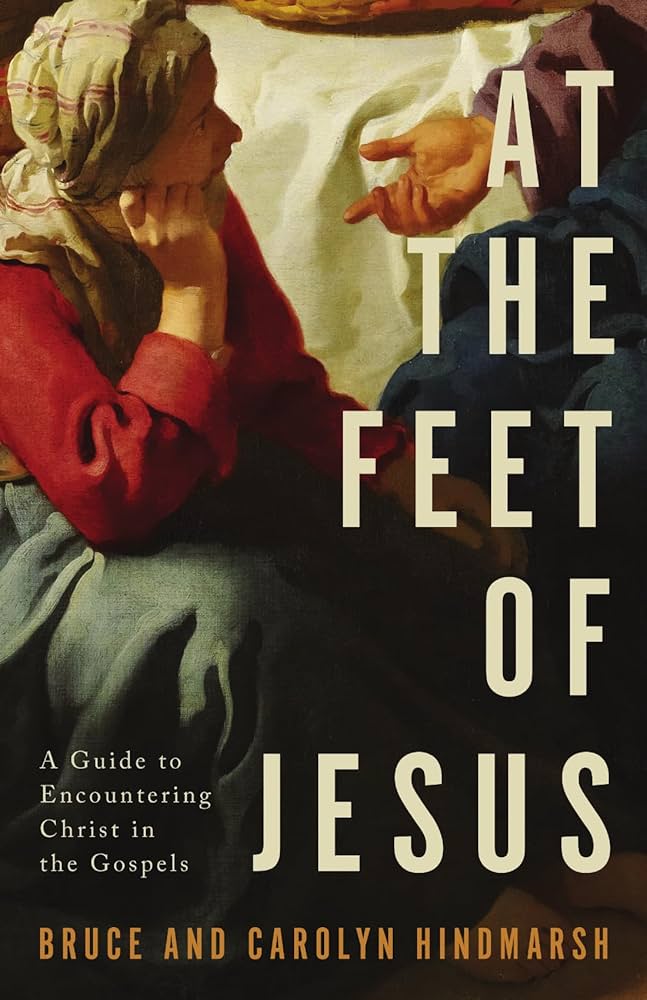
At the Feet of Jesus: A Guide to Encountering Christ in the Gospels. Bruce and Carolyn, Hindmarsh, 2025. This couple who are also Professors at Regent College, and retreat co-leaders, write a wonderful little book meant for either a personal repeat, or as a guide for a communal retreat that you can lead or participate in. This project comes “through many years of leading prayer retreats with students and church groups, the practice of Ignatian meditation, and the joy of keeping our eyes on Jesus, as we follow the example of Mary of Bethany” – from whose example we find her at the feet of Jesus – and thus the title of the book. A wonderful slow read and contemplation through some 100 pages is well worth it.
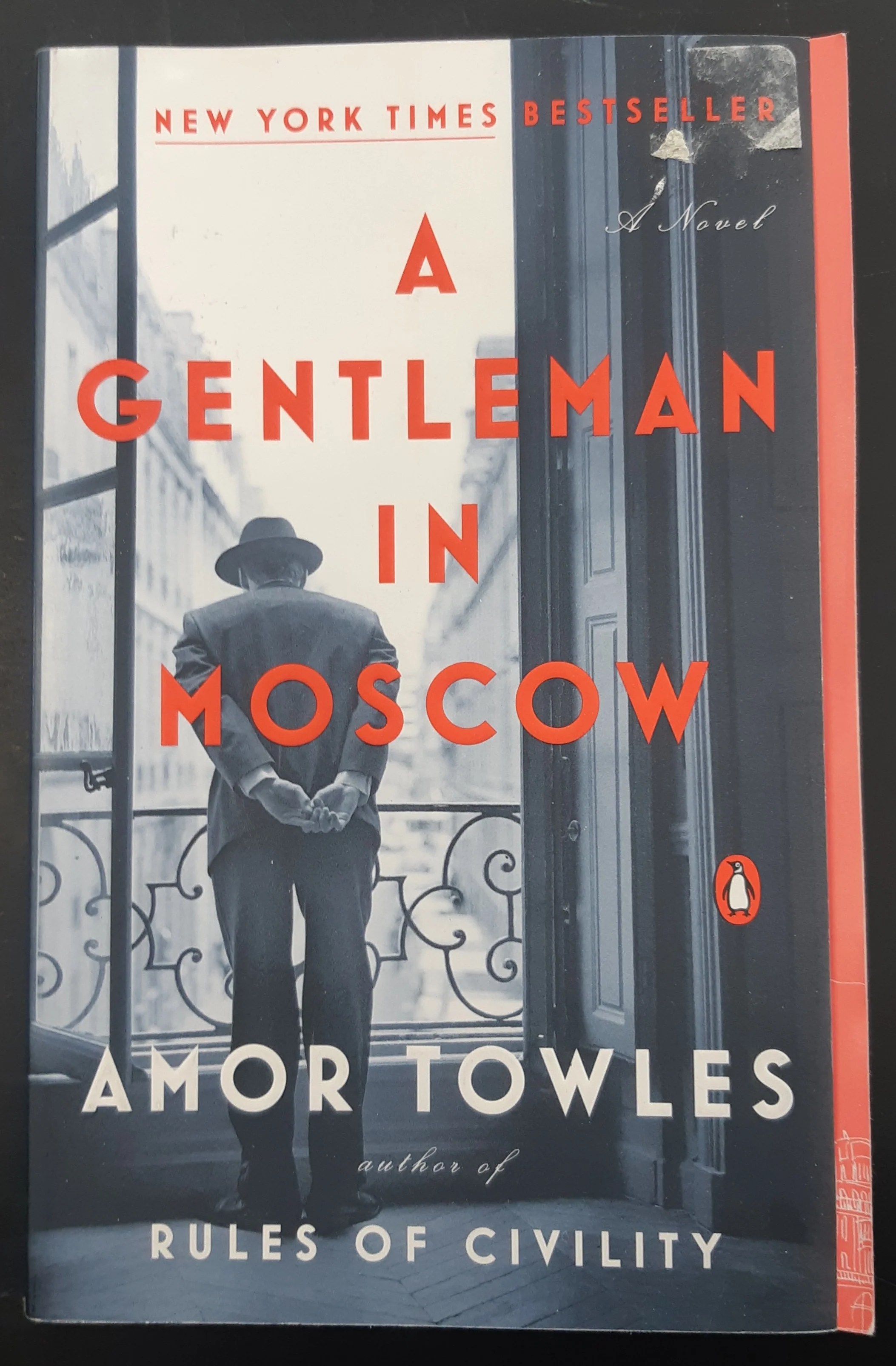
A Gentleman in Moscow, Amor Towles, 2016. With a flourish of recommendations I happily succumbed to reading this novel that has accumulated numerous and boisterous acclaims. The simple story is that a former Russian aristocrat lives under house arrest in a luxury hotel in the heart of Moscow. But that is to tell you very little. Of the laudations the book has received, I think the Washington Post did best to say, “In our own allegedly classless society, we seem to have retained only what’s deplorable about aristocracy – the oppression, the snobbery, the racism – and thrown out those qualities that were worth retaining. Which makes [this book] an endearing reminder of the graciousness of real class…”. It is heartwarming, insightful, and easy to read.
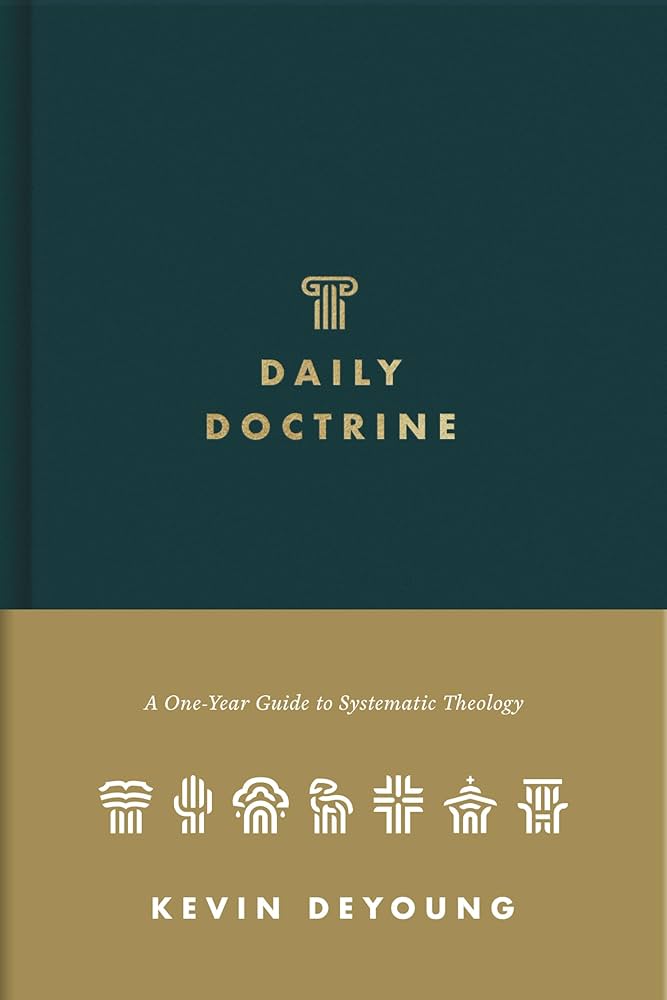
Daily Doctrine: One Year Guide to Systematic Theology, Kevin DeYoung, 2024. Probably the most un-devotional devotional I have ever read (in contrast to the four I read earlier in the year – noted above), but it works! A friend challenged me to read this in what he thought (I think) would be a counter balance to my appreciation of “more enigma” – the mystery of God’s glory. But alas, even this notable Reformed Theologian begins by saying, “We learn that we might love. We learn to behold glory. We dig deeper in doctrine that we might soar higher in worship… The goal of inscripturated revelation is not merely information, but worship.” To which I say a hearty amen! This is the very thing I after in more enigma than dogma. DeYoung confesses that he runs the risk of “introducing esoteric and unnecessary terms,” and “needless theological wrangling”; but it all seems to work well as a daily devotional of pithy explanations of doctrine until… his section of “Ecclesiology: the nature, mission, and ordering of the Church.” (Take a breath and smile). The 260 entries of Daily Doctrine are meant to be read each week day, with the weekends off. I highly recommend it.
 More Enigma Than Dogma
I always enjoy your book list every year, and marvel that I have only read one of the books on your list. ie Lord Jim, by Joseph Conrad. Thanks for taking the time to share with us readers.
LikeLike
I often joke that I grew up on comic books and Mad magazine. It’s a wonder at how I got through University, because it wasn’t till after that when I really began to read intentionally. Hope you are well.
LikeLiked by 1 person
so many great books
LikeLike
Rusty, it’s so good to hear from you 🙂 Thanks for the reviews. I was pleased to see that you’ve included a book of poetry. Blessings ❤
LikeLike
Thanks Rosaliene; I’ve been too busy to write – but as you can see, I have made time to read. I do actually like poetry – but not often am I lent a book of poetry. I probably should notate which books are given or lent to me that make their way on to my yearly reading list. Meanwhile, I still have a book shelf and a half of books waiting. Hope you are well – and thanks for the note.
LikeLiked by 1 person
I’m well, thanks. I find that there are far too many good books in our area of interest to keep up.
LikeLiked by 1 person
I stand in awe over your self-discipline and variety of books read, Rusty! I find myself these days re-visiting some of my classics in my trimmed library and reading around my blog subjects. Season’s blessings from a warm South Africa.
LikeLike
It is always a good idea to revisit the classics repeatedly. As you can see, my writing has taken a back seat to my reading and numerous other responsibilities with my church. Writing is a luxury of contemplation – and the only moments for that is quiet time and reading here and there. May you soak in the joy of Christmas. Btw: I remain astounded that your posts are replete with sources I have read, known, or affirm.
LikeLiked by 1 person