
Tags
Female Gendercide, Gender Equality, Gender Equality begins in the womb, International day for the elimination of violence against women, Stop violence against women, Violence against Women, Violence against women begins in the womb
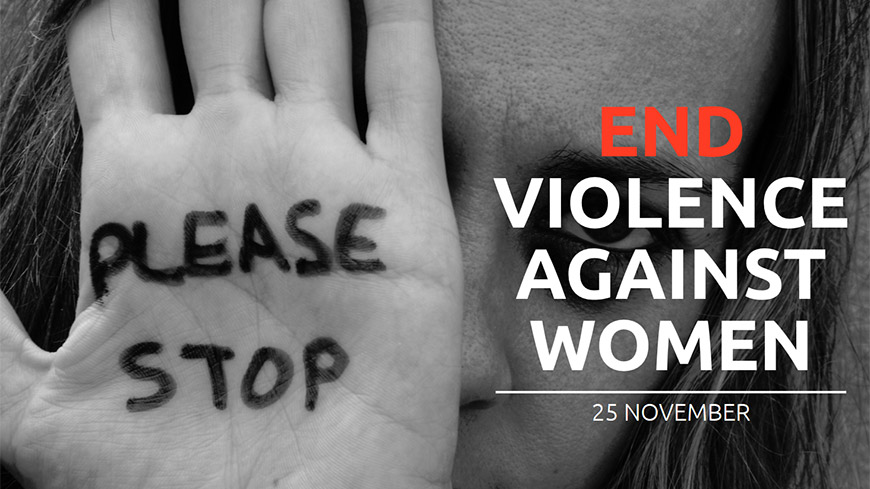
In this month to consider the place of violence in our times, we reflect on The International Day for the Elimination of Violence against Women observed November 25 in honour of the Mirabal sisters, three political activists from the Dominican Republic who were brutally murdered in 1960 by order of the country’s ruler, Rafael Trujillo (1930-1961).
In October of this year the United Nations announced:
“More than 600 million women and girls are now affected by war, a 50% increase from a decade ago, and they fear the world has forgotten them amid an escalating backlash against women’s rights and gender equality, top U.N. officials say.
U.N. Secretary-General Antonio Guterres said in a new report that amid record levels of armed conflict and violence, progress over the decades for women is vanishing and “generational gains in women’s rights hang in the balance around the world.”
The U.N. chief was assessing the state of a Security Council resolution adopted on Oct. 31, 2000, that demanded equal participation for women in peace negotiations, a goal that remains as distant as gender equality.”
The report says the proportion of women killed in armed conflicts doubled in 2023 compared with a year earlier; U.N.-verified cases of conflict-related sexual violence were 50% higher; and the number of girls affected by grave violations in conflicts increased by 35%.”
Gender Equality at Peace Talks
Guterres went on to say “the transformative potential of women’s leadership and inclusion in the pursuit of peace” is being undercut — with power and decision-making on peace and security matters overwhelmingly in the hands of men. While this feminist idea goes unchallenged, suggesting that women are super human or extra humane is to ignore the reality that with a few exceptions female world leaders in conflict zones have demonstrated the same direction of violence as their overwhelmingly numbered male counterparts. Violence is a human condition. But to his point, having women in peace negotiations would at least give a female perspective to how war uniquely affects them (ie: rape as a weapon of war).
Here’s an idea: why not select negotiators who are committed to peace rather than to war; this would be a better idea. It is not just that peace and security matters are overwhelmingly in the hands of men, it is that negotiations are as violent as the war – after all, each side is committed to winning; peace on the other hand is considering what you are willing to lose – what price you’re willing to pay to achieve peace. In this regard, we should be selecting men, women, and children who have no commitment to violence as they negotiate their way to peace. What a radical idea that would be.
Sima Bahous, head of the U.N. agency promoting gender equality known as UN Women, pointed to this lack of attention to women’s voices in the search for peace:
“She cited the fears of millions of women and girls in Afghanistan deprived of an education and a future; of displaced women in Gaza “waiting for death”; of women in Sudan who are victims of sexual violence; and of the vanishing hopes of women in Myanmar, Haiti, Congo, the Sahel region of Africa, South Sudan, Syria, Ukraine, Yemen and elsewhere.“
The percentage of women in peace negotiations has not improved over the last decade: under 10% on average in all processes, and under 20% in processes led or supported by the United Nations.”
Gender Equality at Birth:
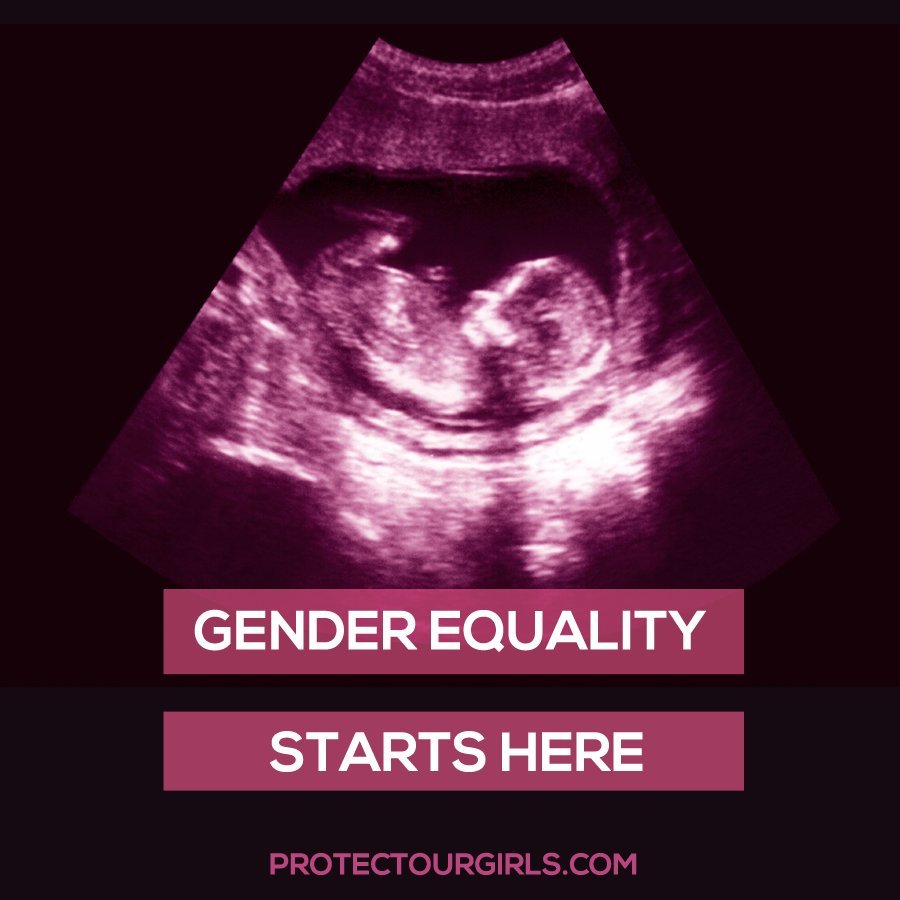
It is a disturbing irony that while there is a legitimate call for gender equality in peace negotiations, there is no whisper of that call in order to prevent the gendercide of female fetuses – and so much of that in the hands of… women. Violence finds its roots and outcomes in all sorts of locations; it is mordant to know that much of this begins where it should not – when someone decides to kill a girl before she is born simply because she is female.
 More Enigma Than Dogma
Simply awful. I have no answers. Only questions: who will rescue humankind from this catastrophe? What/whom will it take? Thanks for the update, Rusty.
LikeLike