
Tags
Award Winning Books, Books, Children, Harrison Scott Key, Hope for marriage, How to Stay Married, Marilynne Robinson, Marriage
This has been a surprisingly abundant reading year; here are the books I read in the order that I read them. May you find something that excites or challenges you from this book list:
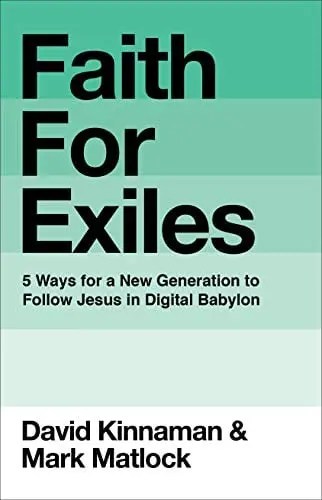 Faith For Exiles: 5 Ways for a New Generation to Follow Jesus in Digital Babylon, David McKinnamon, Mark Matlock, 2019. A friend and I read through this book slowly over a year to read the times we’re in, and pray for the concerns of this generation. “It’s easy to get discouraged by all that’s going wrong when it comes to Christianity. Yet what’s going right? In fact, signs of hope are springing up all around. In Faith For Exiles David Kinnaman, author of unChristian and You Lost Me teams up with Mark Matlock, former executive director of Youth Specialties to unveil major new Barna research that uncovers what’s working—five practices that contribute to resilience.”
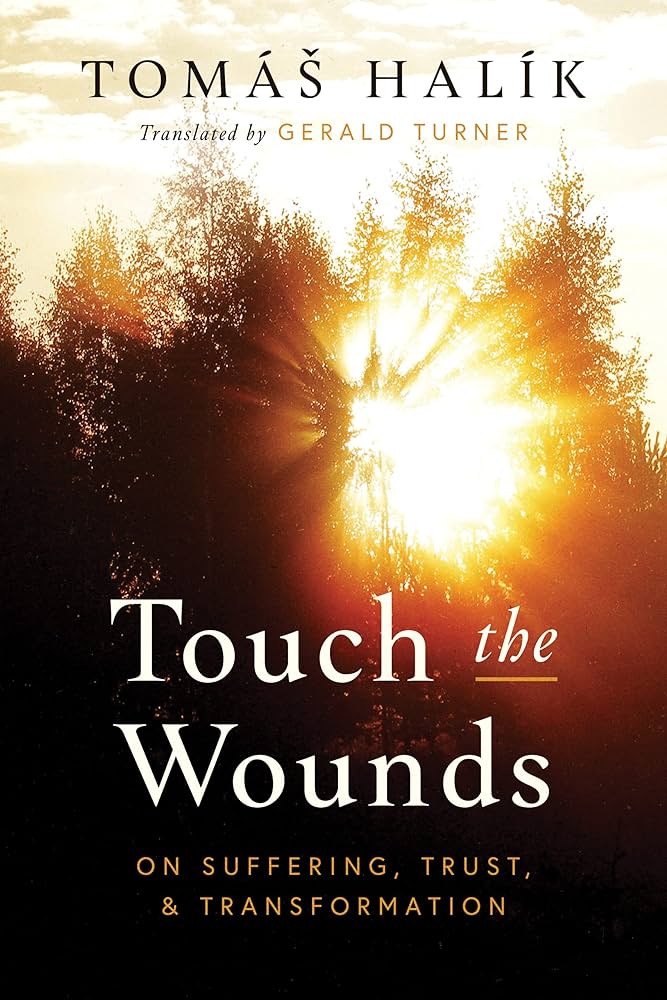
Touch the Wounds: On Suffering, Trust, and Transformation, Tomáš Halík, 2023. Halik begins: “The central message of this book can be summed up in a few sentences. The painful wounds of our world are Christ’s wounds… in the Gospels, the resurrected Jesus identifies himself with his wounds. They are proof of his identity…” You can hear a short sermon by the venerable Halík who makes the case that “Christians can discover the clearest vision of God not by turning away from suffering but by confronting it. Halík calls upon us to follow the apostle Thomas’s example: to see the pain, suffering, and poverty of our world and to touch those wounds with faith and action. It is those expressions of love and service, Halík reveals, that restore our hope and the courage to live, allowing true holiness to manifest itself. Only face-to-face with a wounded Christ can we lay down our armour and masks, revealing our own wounds and allowing healing to begin.”
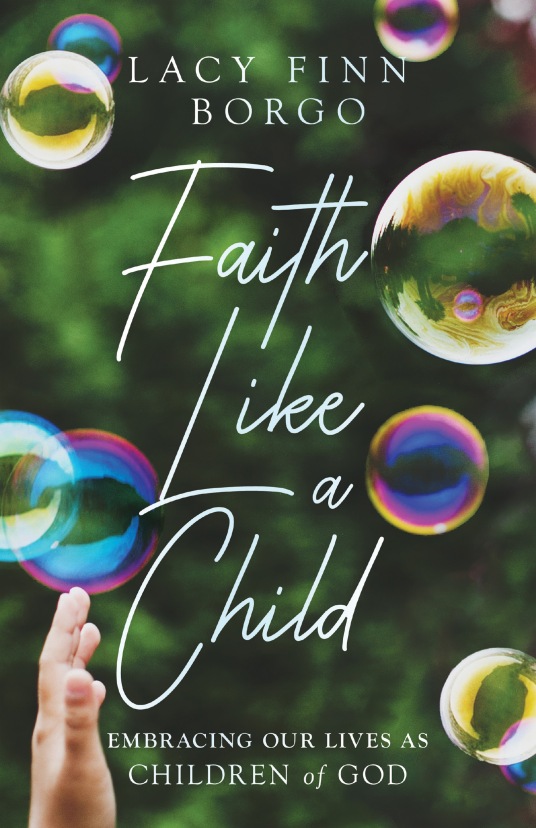
Faith Like a Child: Embracing our Lives as Children of God, Lacy Finn Borgo, 2023. Words like “welcome” and “wonder” invite us to Jesus invocation to become like children. Borgo ends every chapter with what she calls “Welcoming Practices” – practical applications to be more like a child. She observes “while playing, my kids would raise their heads and move to a place where they could see me and be seen. If they couldn’t catch my eye and connect with a glance, they would stop whatever they were doing and come to me. Not really to ask for anything but to be present – not more than a moment – for a touch, a hug, a hello for connection. Then they were back to playing – the good work of being a child.” From this she encourages us to do the same in order to connect with God regularly.
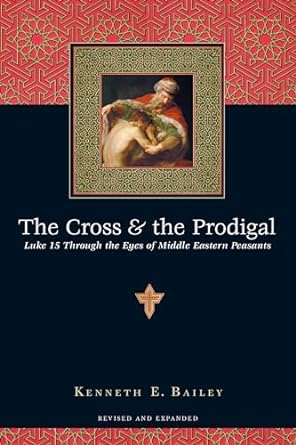
The Cross & the Prodigal: Luke 15 through the eyes of Middle Eastern Peasants, 2005, Kenneth E. Bailey. Informed by 40 years living and teaching in the Middle East, Bailey writes a concise and insightful corrective to what is commonly known as parable of the Prodigal Son. “It is the basic presupposition of this study that the insights gained from looking at the parable… through the eyes of conservative Middle Eastern society… are a better starting point than the cultures of North America or Europe.” Bailey observes that “Jesus is defining repentance as ‘acceptance of being found’.” This acceptance – or the ability to receive – is a major theme of the Gospel of grace, even as Jesus invites us to “let the little children come to me, for such is the Kingdom of God.” In other words, let yourself be drawn the One who made us for Himself.
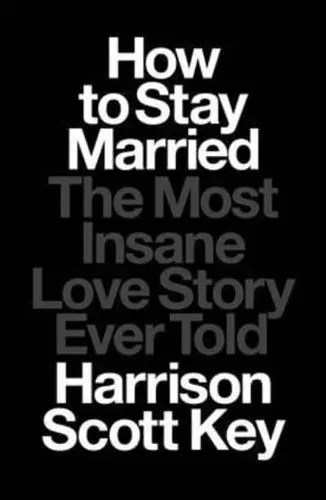
How to Stay Married: The Most Insane Love Story Ever Told, Harrison Scott Key, 2023. You are unlikely to read a “marriage advice book” as raw and vulnerable and humorously told as this. Warning: raw language – and – this is not a “how to book”. This is a confessional (including a chapter written by Harrison’s wife). This is not a feel-good story despite the couple staying married after Harrison’s wife’s infidelity. Key is known more as a humorist, but as any good jester in the King’s court, he is a keen observer of every otherwise unrelated detail, including his own emotions, and coming to terms with how he set the conditions in which his wife would find it easy to go to another man. These 300 pages are an easy read, but I felt like a voyuer to a slow train crash. I found it odd to laugh out loud and cringe so often at the selfish pain of it all.
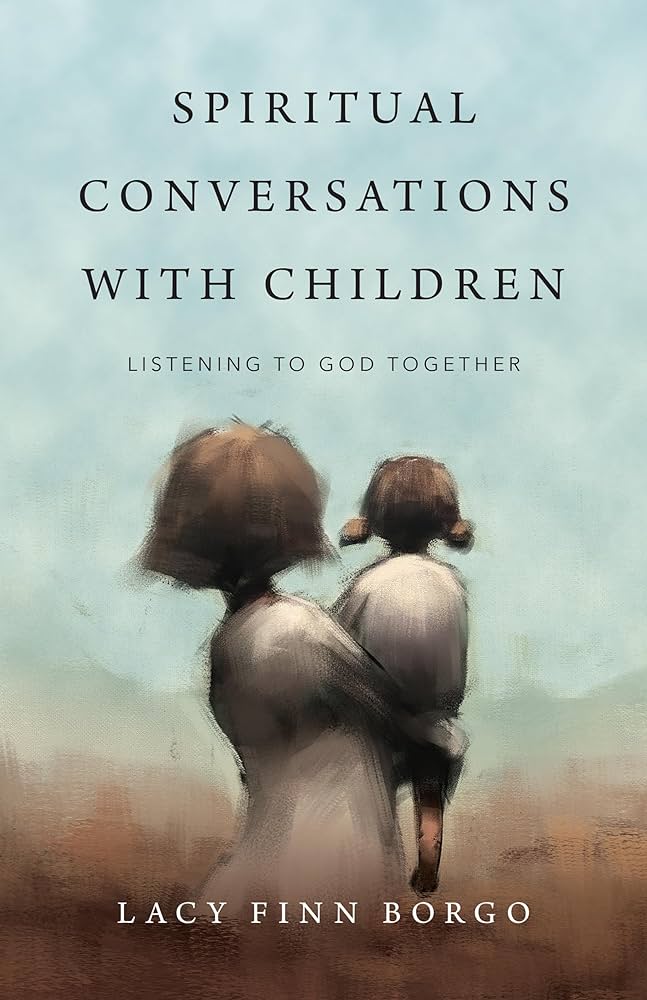
Spiritual Conversations with Children: Listening to God together, Lacy Finn Borgo, 2020. I read this book by Borgo after the earlier one noted above. This is the more “practical” of the two books in which she gives exercises and ideas to do with children that will help you listen better. Like the book noted above, Borgo ends each chapter with “Soaking It In” that invites the reader to contemplate or do an exercise that will deepen our understanding. With such a rich and dignified sense of childhood, she quotes Charlotte Mason, “… because [children’s] large faith does not stumble at the mystery, their imagination leaps readily to the marvel, that the King Himself should inhabit a little child’s heart.”
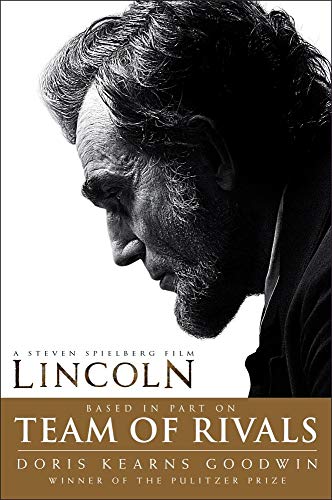 Team of Rivals: The Political Genius of Abraham Lincoln, Doris Kearns Goodwin, 2005. For years this 900 page tome intimidated me from my bookshelf until I “courageously” (ahem) started what I thought would take the rest of the year to finish. Not so. Though some 150 pages are detailed footnotes and index, the 750 pages of the story “reads itself” as it were – so well written and the subject matter so compelling. I would be hard pressed to identify another biographer as skilled as Goodwin to weave into a coherent story line so many details from the massive number of resources from which she drew. This biography is not a hagiography of Lincoln, but an enthralling portrait of a person, a team of rivals, and a seminal point in American history that impacted the rest of the world.
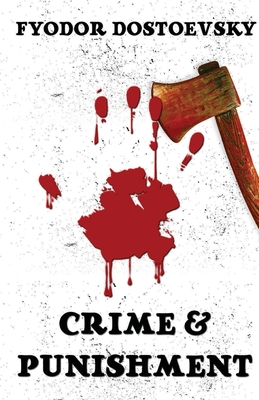
Crime and Punishment, Fyodor Dostoevsky, 1866. (Translator: Constance Garnett). It is either a fool or a naive who dares to read a Russian novel without the forewarning of how the author will use proper names, informal names, and pet names interchangeable and without notice. Fortunately the “Wordsworth Classics” edition I read had a handy “Principal Characters” list to which I would refer often. All that says nothing about this amazing story-telling of a gruesome crime that does not reduce itself to a crime novel. “From the beginning we are locked into the frenzied consciousness of the main character, Raskolnikov, who, against his better instincts, is inexorably drawn to commit a brutal double murder.” By coincidence, this is written during the same time period as the American Civil War, having just read the Lincoln tome earlier. Crime & Punishment is a well earned “classic” to be sure.
Reading Genesi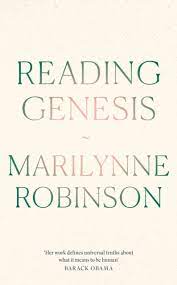 s, Marilynne Robinson, 2024. It takes a literary giant like Robinson to treat the ancient text of Genesis as a work of literary brilliance. Reminded somewhat of C.S. Lewis’ “Reflections on the Psalms” in which his very firsts words are to confess, “this is not a work of scholarship.” Like Lewis, Robinson is not offering a scholarly commentary, she is letting us into a deep and rich meditation of this seminal book of the Bible. Richard Harries reviews: “There is no introduction or conclusion; there are no chapter headings or signposts. She just wants her audience to look again at Genesis and see what they make of it. To that end the Book of Genesis itself is printed at the back, in the Revised Standard Version, the one that still carries the cadences of the King James Bible while being more accurate. To read that and then Robinson’s careful analysis is to have one’s understanding of the text profoundly enriched and changed.”
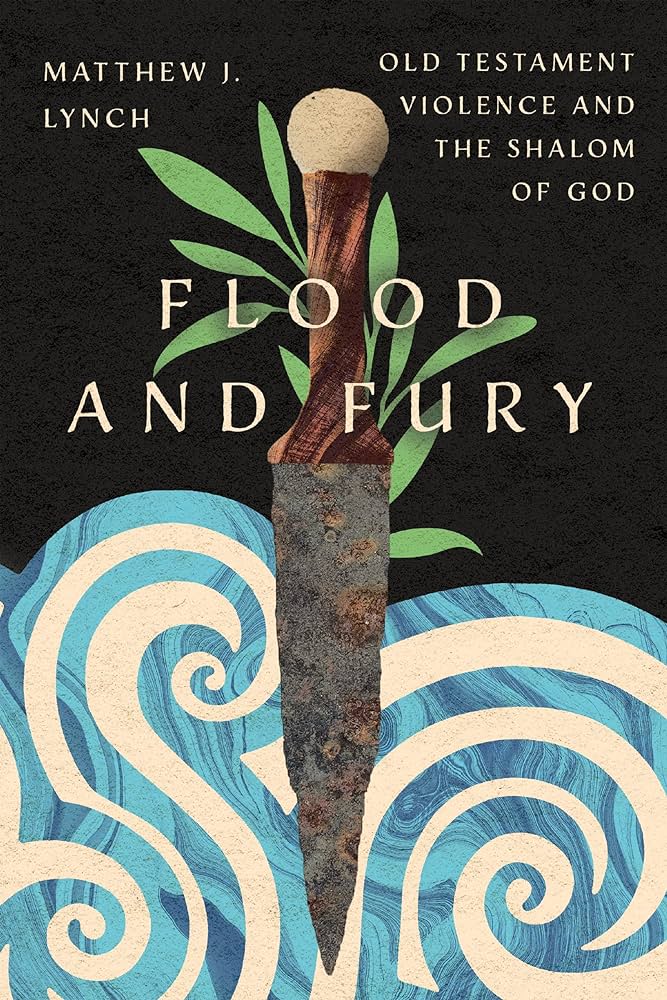 Flood and Fury: Old Testament Violence and the Shalom of God, 2023, Matthew Lynch. I was intrigued when Regent Professor of the Old Testament came through to speak to this topic in an age when people too easily lop off the entire OT because of the inexplicable violence. IVP writes: “Old Testament violence proves one of the most troubling topics in the Bible. Too often, the explanations for the brutality in Scripture fail to adequately illustrate why God would sanction such horrors on humanity. These unanswered questions leave readers frustrated and confused, leading some to even walk away from their faith.
In Flood and Fury, Old Testament scholar Matthew Lynch approaches two of the most violent passages in the Old Testament – the Flood and the Canaanite conquest – and offers a way forward that doesn’t require softening or ignoring the most troubling aspects of these stories. While acknowledging the persistent challenge of violence in Scripture, Flood and Fury contends that reading with the grain of the text yields surprising insights into the goodness and the mercy of God. Through his exploration of themes related to violence including misogyny, racism, and nationalism, Lynch shows that these violent stories illuminate significant theological insights that we might miss with a surface reading.” Outstanding; a must read especially for those who have left the OT without searching it adequately.
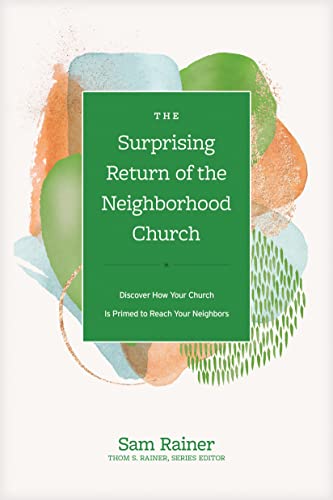
The Surprising Return of the Neighborhood Church:Rediscover how your Church is Primed to Reach our Neighbors, 2023, Sam Rainer. In deed the neighbourhood church I am part of is primed to reach our neighbours, and Rainer encourages us to live into the potential like never before. People are looking for connection, authenticity, and truth. No wonder that we are seeing people who are looking for God and for relationship. “The neighbourhood does not exist for the church, the church exists for the neighbourhood… therefore the church should reflect the needs of the neighbourhood.” This is an easy read to encourage living into the opportunity.
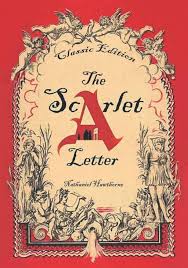
The Scarlet Letter: A Romance, 1850, Nathaniel Hawthorne. Written about a decade before the Civil War (note Team of Rivals above), this novel is set in the Puritan Massachusetts Bay Colony during the years 1642 to 1649. It tells the story of Hester Prynne, who conceives a daughter with a man to whom she is not married and then struggles to create a new life of repentance and dignity. As punishment, she must wear a scarlet letter ‘A’ (for “adultery”). The Scarlet Letter was one of the first mass-produced books in the United States at the time, and is considered a classic work of American literature.
I confess that this was a difficult novel to read due to its wordiness and syntactical choices, but critics have described The Scarlet Letter as a masterwork, as novelist D. H. Lawrence called it a “perfect work of the American imagination”. Like all period pieces, it is a fascinating take on life, and values, and community.
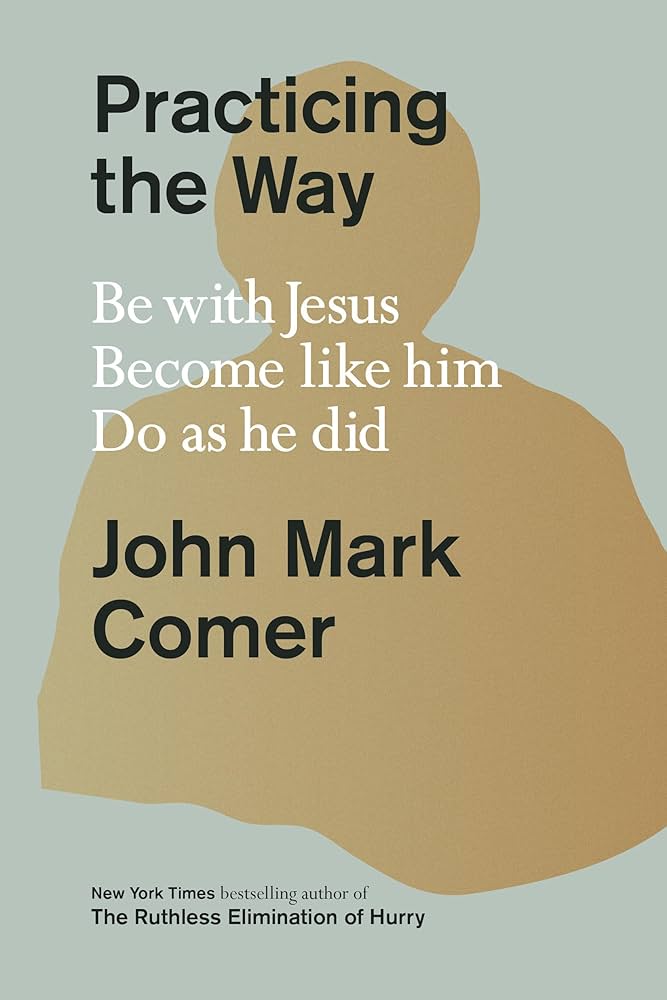
Practicing the Way: Be with Jesus, Become like him, Do as he did, 2024, John Mark Comer. One of the most practical books (and easy reads) on spiritual formation and apprenticeship with Jesus. I have been giving copies to those wanting to grow in their spiritual formation.
“The first followers of Jesus developed a Rule of Life, or habits and practices based on the life of Jesus himself. As they learned to live like their teacher, they became people who made space for God to do his most transformative work in their lives.
Practicing the Way is a vision for the future, shaped by the wisdom of the past. It’s an introduction to spiritual formation accessible to both beginners and lifelong followers of Jesus and a companion…” (from website).
For Whom the Bell Tolls, 1940, Ernest Hemingway. This is considered Hemingway’s masterpiece on war, love, loyalty, and honour. In 1937 Ernest Hemingway traveled to Spain to cover the civil war there for the North American Newspaper Alliance. Three years later he completed this novel as one of the foremost classics of war literature.
“Hemingway creates a work at once rare and beautiful, strong and brutal, compassionate, moving, and wise.” The novel’s first 2/3 is slow and building as he draws you into the story; we listen in to the many conversations and conflicts of the cohort fighting among themselves and against the fascist regime. Then one must hold on to the rapid climax of the last third of the novel.
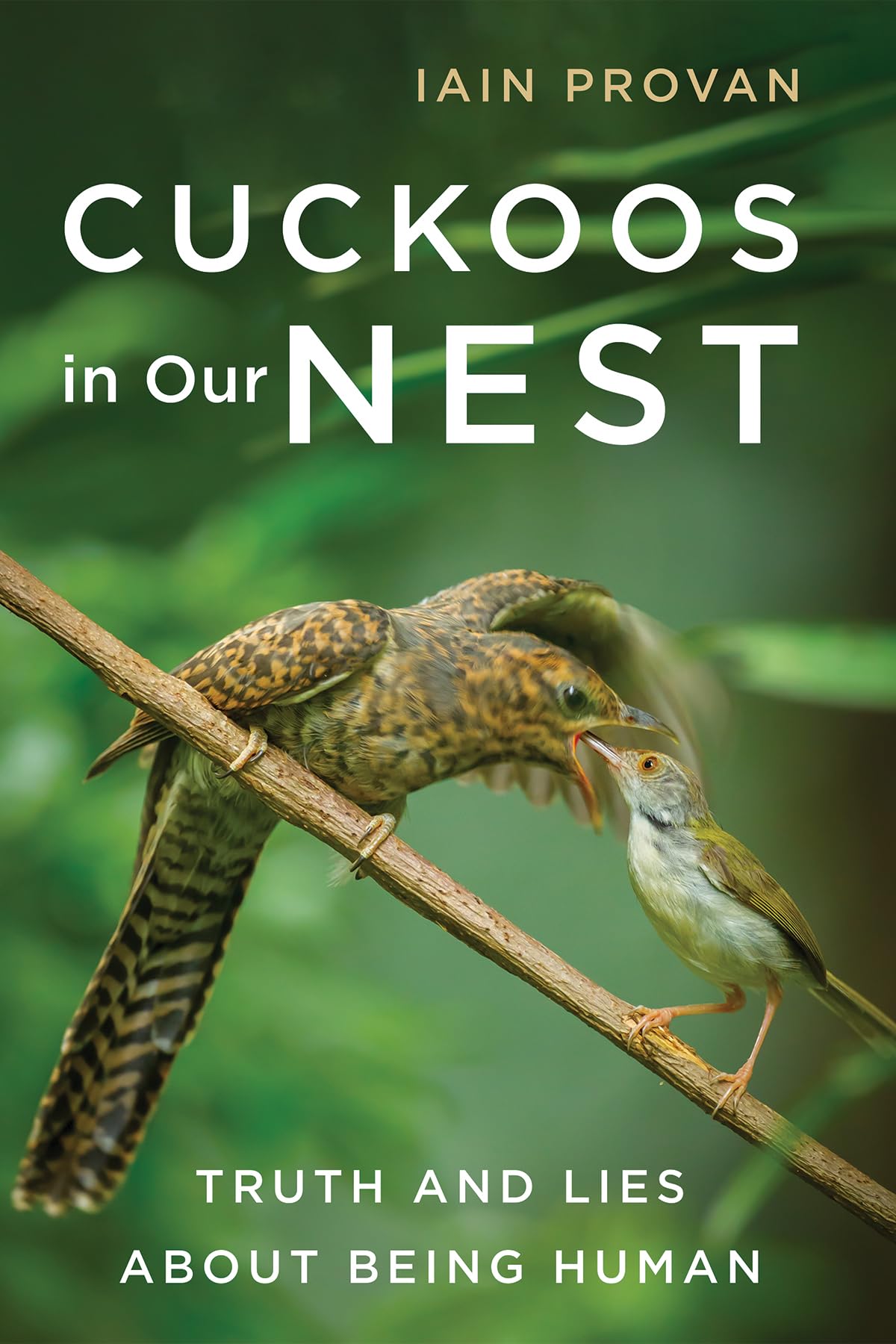
Cuckoos in our Nest: Truth and Lies about Being Human, 2023, Iain Provan. A smartly written book of 50 essays about 4 pages each that speak to the profound question of the Church today, “What is a human being?” Old Testament Scholar Iain Provan uses the metaphor of a Cuckoo bird who will lay her egg in another species’ nest only to have the Cuckoo chick hatch early, and aggressively displace the other chicks, all the while being dutifully fed and growing to be, as the cover the book illustrates, larger than the bird in whose nest the Cuckoo displaced. The metaphor relates to “unbiblical anthropological ideas that has taken hold in the modern Western Church”. This is Provan’s address to the unchallenged falsehoods about being human.
 More Enigma Than Dogma
Wow, how do you do it, Rusty? I admire your discipline! Many thanks. I would start with one of the easier ones, the church and neighborhood? Lol… Halik’s work also appeals, as I’ve been thinking on this theme. Advent blessings!
LikeLiked by 1 person
I am smiling as I write this, because I “do it” by reading a little (some 30 minutes) every day, and taking a book with me whilst I wait at appointments and airports, etc. I just came from a vacation (hence my late reply), where I completed 2 books, so vacations are good times to do that. Of course the “church and neighbourhood” would be an encouragement to you I would think (as it was to me) – but Halik’s book is a wonderful and challenging read. I am fascinated by Christians who survived the Soviet era and come out with profound insights for those outside the eastern block as it were. Grace to you.
LikeLike
Thank you so much for sharing. I will definitely be reading many of those!
LikeLiked by 1 person